
Holding a Food Unit Past 2028
Refrigerated production is one of the hardest things to retrofit into a generic industrial unit — which is why cold-room readiness is worth paying attention to.
Published
Buying an industrial unit is often discussed as a single moment: the day you sign. For anyone planning to hold, it is better treated as a sequence. With Smart Food @ Mandai, where vacant possession is expected on 31 May 2028, that sequence has three recognisable stages, and each asks a different question of the owner.
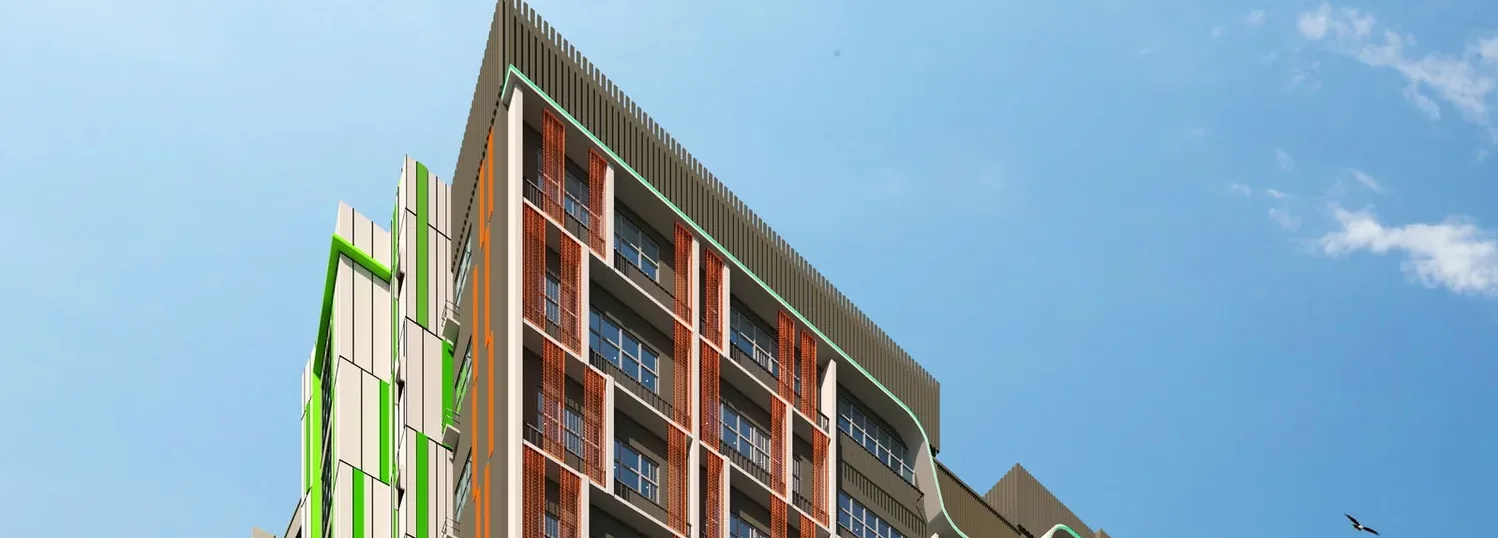
The first stage is the wait. Between committing and collecting keys, the unit is a promise rather than a workspace. Smartisan Realty's development is a freehold B2 food factory of 10 storeys, with 84 production units and one canteen across 157,319 sqft of gross floor area. The point of this stage is arithmetic and patience: schedule your payments, keep a reserve in case the handover date shifts, and avoid building an operating plan around a date that remains an expectation. Dates in construction are targets, and it is sensible to hold your own plans loosely until the keys are in your hand.
The second stage begins at handover and covers fit-out and the first stretch of use. A food unit rarely arrives ready to produce. Cold rooms, equipment, ventilation and licensing all take time, and the project is designed with cold-room installation and dual-key or adjoining-unit combinations in mind. Whether you occupy the unit yourself or lease it to a food business, expect a gap between receiving the space and having it earn its keep. Check licensing requirements with the relevant authority early, because the permits a food operation needs can shape both the layout and the timeline.
Practical habits help in every stage: keep copies of every agreement and payment record, put questions to the developer in writing, and ask a lawyer to read anything you are unsure about. They cost little and tend to matter most when a date slips or a term is disputed.
The third stage is the long run, and this is where tenure matters most. Smart Food @ Mandai is freehold, so there is no lease clock ticking in the background. That changes how you think about the years ahead. A leasehold owner has to ask when the remaining term starts to weigh on a future buyer's view; a freehold owner can instead focus on the building's condition, the unit's flexibility and whether the surrounding area keeps meeting the needs of food producers. The site at 10 Mandai Estate lies beside JTC's Sungei Kadut Eco-District, and the project details page sets out the unit concepts, and the location page describes how the site connects to the expressways and Woodlands.
It helps to decide in advance which role the unit will play. An owner-operator wants space that can grow with the business. A landlord wants a unit that suits many kinds of tenant and is simple to re-let. Someone holding for a later sale cares about how readable the asset is to the next buyer. These goals pull in different directions, so choose one deliberately instead of drifting between them. Revisit the choice when circumstances change.
Nothing here predicts how the market will move; it is a framework for deciding whether a long holding suits your plans. If you would like the unit details and the current availability while you think it through, ask the team for the latest information.
General information only, not financial or legal advice.